
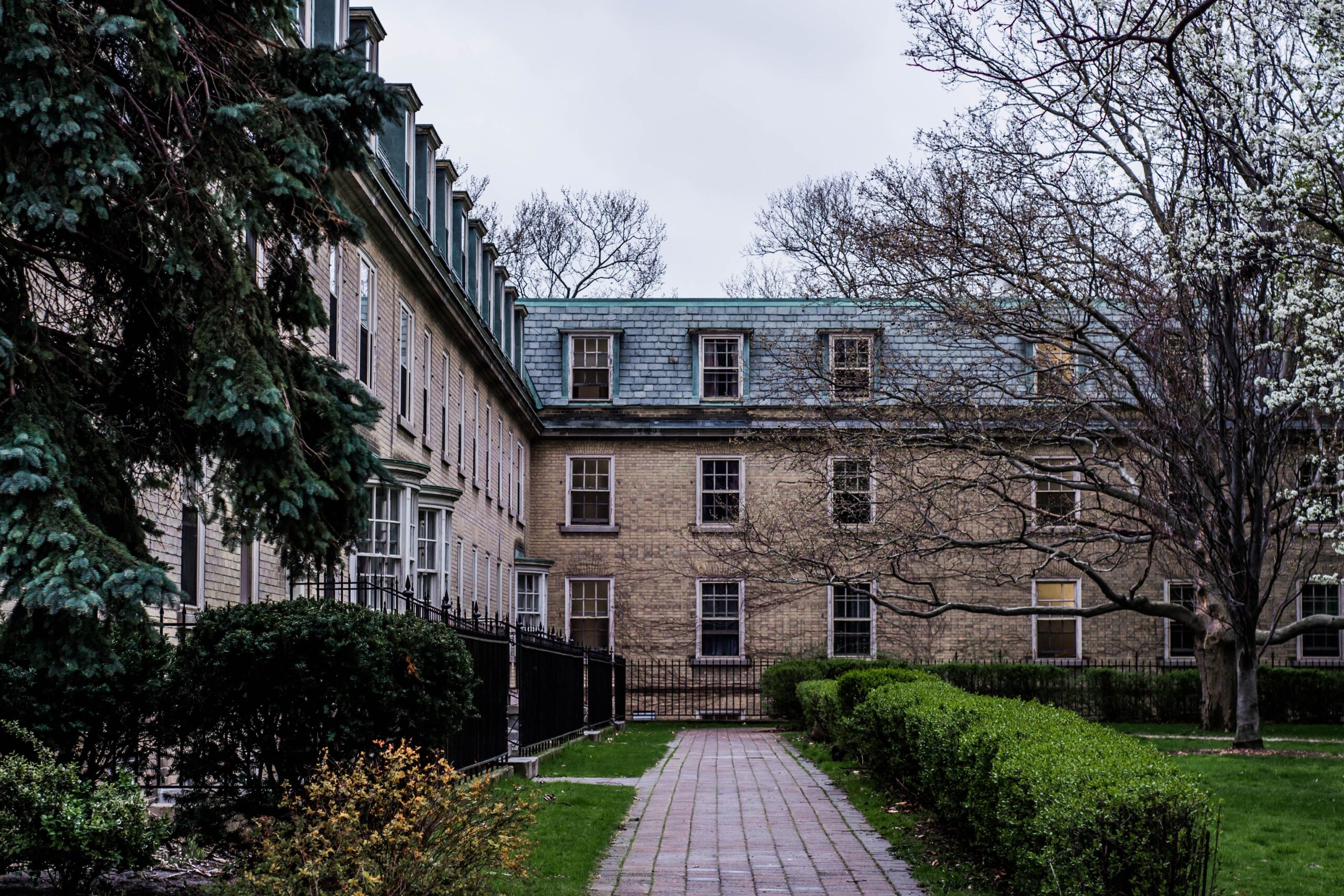
Are you planning to study in Canada? Booking a university residence is an important step in your journey. It not only provides you with a place to live but also offers a supportive community and convenient access to campus facilities. Follow this step-by-step guide to ensure a smooth and hassle-free process.
Step 1: Research Your Options
Start by researching the different university residences available in Canada. Each university may have multiple residence buildings with various room types and amenities. Consider factors such as location, cost, room size, and meal plans.
Visit the university’s website and explore their residence options. Look for virtual tours, photos, and detailed descriptions of each residence building. Take note of the ones that interest you the most.
Booking university residence varies depending on the specific university and province, but there are some general steps you can follow. Here is a step-by-step guide:
Websites for Assistance:
- University Housing Websites: The most reliable source for residence information is the university’s own website.https://www.kanan.co/blog/student-accommodation-in-canada/
- International Student Office: Many universities have an international student office that can provide specific guidance on housing.
- Student Forums and Social Media Groups: Places like Reddit, Facebook groups, or university-specific forums can be useful for asking current students for advice.
Student forums and social media groups can be invaluable resources for prospective or current students in Canada. These platforms often provide first-hand information, tips, and guidance on various aspects of student life, including housing, courses, scholarships, part-time jobs, and more. Here’s a list of some places where you can find such communities:
General Forums:
- Reddit:
- r/StudyInCanada
- r/Canada
- Specific subreddits for universities (e.g., r/UofT for the University of Toronto, r/UBC for the University of British Columbia, etc.)
- Quora:
- Topics related to studying in Canada, Canadian universities, etc.
- The Student Room:
- International sub-forums where Canadian universities are often discussed.
- College Confidential:
- Includes threads and discussions about Canadian colleges and universities.
University-Specific Forums:
- University Websites and Portals:
- Some universities have their own forums or discussion boards for students.
- Course-specific Forums:
- These can often be found within online course management systems like Moodle, Blackboard, etc.
Social Media Groups:
- Facebook:
- There are many groups dedicated to specific universities, courses, or the student community in Canada. Just search the name of your university or course to find relevant groups.
- LinkedIn:
- Alumni groups or university pages can provide more professional networking opportunities.
- WhatsApp / Telegram / Discord Groups:
- Some student communities or courses might have invite-only chat groups for more immediate communication.
- Twitter and Instagram:
- Not forums, but following accounts related to your university or field of study can keep you updated on news and events.
Other Resources:
- International Student Associations:
- Most Canadian universities have international student associations that could direct you to useful resources, forums, or social media groups.
- University Libraries and Resource Centers:
- These often have bulletin boards, either physical or online, where you can find information about forums or social media groups.
Remember to always exercise caution when participating in online forums or social media groups. Never share personal or sensitive information with people you don’t know, and be cautious when following advice. Always verify information through official channels whenever possible.
- Reddit:
- Study in Canada Websites: There are many online resources specifically geared towards helping international students understand Canadian universities. Websites like EduCanada provide information about studying in Canada.
- Consultancy Services: Some educational consultancy services help with the admission and housing process for a fee.
Remember to confirm all details directly with the university or through official communications, as policies can change and may differ between institutions.
Step 2: Check Application Deadlines
Once you have a list of preferred university residences, check their application deadlines. It’s crucial to submit your application on time to secure a spot. Most universities have a specific application period, so mark your calendar and set a reminder.

Make sure to gather all the required documents beforehand, such as your identification, proof of enrollment, and any additional forms the university may require.
Step 3: Complete the Application
Fill out the application form for your chosen university residence. Provide accurate and up-to-date information about yourself. Some applications may ask for your preferences regarding roommates or specific residence buildings.
Double-check your application before submitting it to avoid any mistakes or missing information. If you have any questions, reach out to the university’s residence office for assistance.
Step 4: Pay the Application Fee
Most university residences require an application fee. Pay the fee online or as per the university’s instructions. Keep a copy of the payment receipt for your records.
Remember, the application fee is usually non-refundable, so make sure you are committed to living in that particular residence before making the payment.
Step 5: Wait for Confirmation
After submitting your application and payment, you will need to wait for a confirmation from the university. This confirmation will typically be sent to your email address.
While waiting, continue exploring other accommodation options as a backup plan. In case you don’t receive a spot in your preferred university residence, having alternative choices will save you from last-minute stress.
Step 6: Accept the Offer
If you receive an offer from the university residence, carefully read through the terms and conditions. Pay attention to the deadline for accepting the offer.
Accept the offer by following the instructions provided by the university. You may need to sign an agreement and pay a deposit to secure your spot. Make sure to comply with the given timeline to avoid losing the offer.
Step 7: Prepare for Move-In
Once you have accepted the offer, start preparing for your move-in. Plan your travel arrangements accordingly and make a list of essential items to pack.
Reach out to the residence office if you have any questions about move-in procedures or required documents. Familiarize yourself with the residence rules and policies to ensure a smooth transition.
Booking a university residence in Canada can be an exciting process. By following these steps, you can secure a comfortable and convenient place to stay during your studies. Good luck!